A dental bone graft adds bone or bone-like material to your jaw where bone has been lost, so there’s a strong foundation for a dental implant or to protect the area after a tooth is removed. Over the following months, your body gradually grows new bone into the graft. At Advanced Dental Center (ADC) in Louisville, bone grafting is part of our implant care, so your graft and implant are planned together by the same team.
Why would I need a bone graft?
After a tooth is lost, the jawbone that held it no longer gets stimulated by chewing, and it starts to shrink — most noticeably in the first months. If there isn’t enough bone height or width left, an implant can’t be anchored securely. A graft rebuilds that bone. Common reasons include:
- A tooth has been missing for a while
- A tooth is being removed and you plan to get an implant later
- Gum disease or an infection has damaged the bone
- The upper back jaw is too thin under the sinus for an implant
Types of bone graft material
| Type | Where it comes from | Good to know |
|---|---|---|
| Autograft | Your own bone, often from another spot in the jaw | Contains your own living cells; needs a second site |
| Allograft | Donor bone from a tissue bank, carefully screened and processed | Very common in dental grafting; no second site needed |
| Xenograft | Processed animal mineral, usually bovine | Holds its shape well while new bone grows |
| Synthetic (alloplast) | Lab-made, bone-like mineral | No human or animal source |
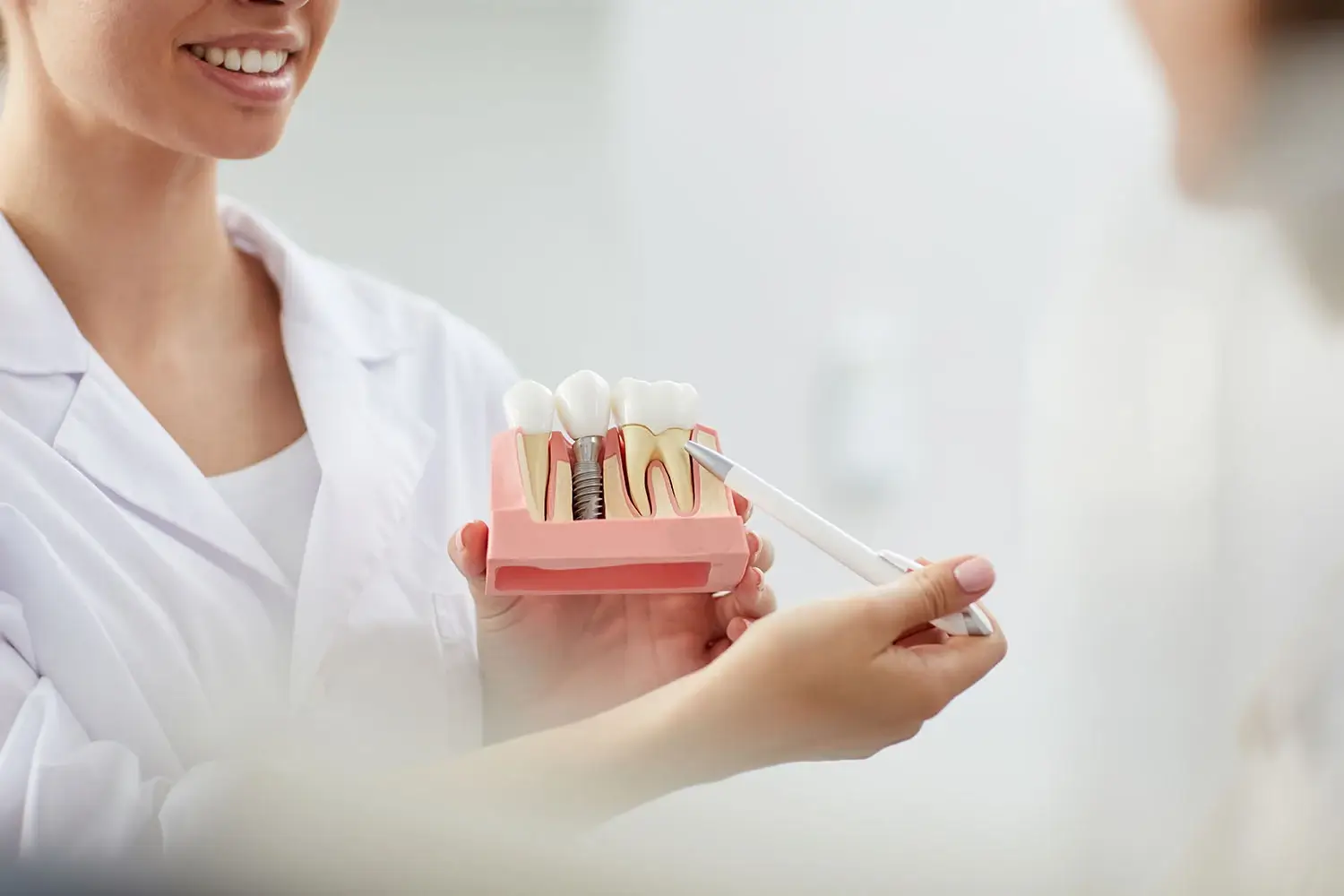
Most graft materials act as a scaffold that your own bone grows into and replaces over time. Your dentist will recommend a material based on the size and location of the graft.
Common bone graft procedures
- Socket preservation: graft material placed right after an extraction to limit bone shrinkage.
- Ridge augmentation: rebuilding the width or height of the jaw where bone has already been lost.
- Sinus lift: adding bone under the sinus floor in the upper back jaw so an implant can be placed.
"Bone graft on a tooth" usually refers to one of these: the graft goes into the jawbone where the tooth was, or around a tooth damaged by gum disease, rather than onto the tooth itself.
What to expect
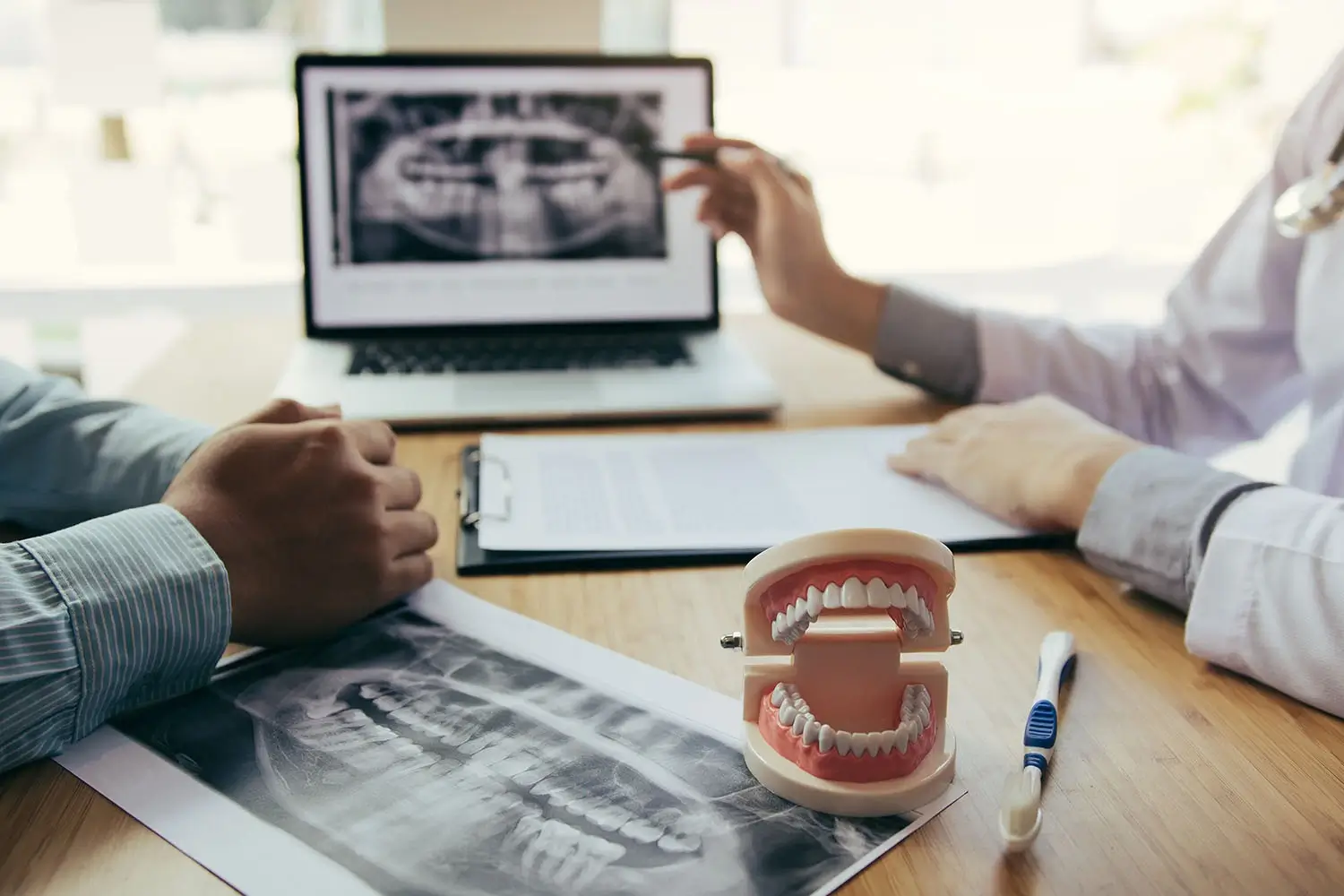
- Planning: a 3D scan shows exactly how much bone you have.
- The procedure: done under local anesthetic, often in the same visit as an extraction. Oral or IV sedation is available — see how we keep you comfortable.
- Recovery: mild swelling and soreness for a few days; soft foods and gentle rinsing help.
- Healing time: often about three to six months before an implant can be placed, and longer for larger grafts or sinus lifts. Your dentist confirms readiness with an exam and X-rays.
Cost and payment
Bone graft fees depend on the size and type of graft, so they’re listed in your written treatment plan before anything begins. See our dental implant cost guide for how grafting fits into implant pricing. We accept most major insurance and offer flexible payment plans through Cherry.
Frequently asked questions
What is a dental bone graft?
A dental bone graft adds bone or bone-like material to the jaw where bone has been lost. Over a few months, your body grows new bone into the graft, creating a strong foundation for a dental implant.
Do I need a bone graft for a dental implant?
Only if there is not enough bone to anchor the implant securely. A 3D scan shows your bone height and width, and many patients do not need a graft, especially when an implant is placed soon after a tooth is removed.
How long does a dental bone graft take to heal?
Often about three to six months before an implant can be placed. Larger grafts and sinus lifts can take longer, and your dentist confirms the bone is ready with an exam and X-rays.
Is a dental bone graft painful?
The procedure is done under local anesthetic, with sedation available. Most patients have mild swelling and soreness for a few days that is managed with over-the-counter pain relievers.
What is a bone graft on a tooth?
It usually means a graft placed in the jawbone where a tooth was removed, or in bone around a tooth damaged by gum disease. The graft rebuilds bone rather than attaching to the tooth itself.
Advanced Dental Center has five Louisville-area offices: Preston Highway (Okolona), St. Matthews, Middletown, Brooks Hill and Jeffersontown. Evening hours and Saturday mornings are available at select offices, and our phones and chat are answered 24/7. Schedule online.